
Programme Summary
Towards a Living European Sound Heritage
KeyboardHeritage.eu is about more than instruments. It is about restoring Europe’s musical sound to the monuments and sites where it belongs, to its communities, and to its future. It is about ensuring that this shared heritage remains alive, audible, and meaningful for generations to come.
- Two in-person symposia in Utrecht, parallel to the Festival Early Music Utrecht
- Nine webinars in three thematic rounds (2026-2027)
- Development of a sustainable stakeholder platform and toolkits for Europe-wide practice
The programme adopts an approach structured around interactive exchange, co-creation and best practice sharing.
It will be moderated by Davide Grosso, Director of Programmes & Partnerships, International Music Council.
This is a free-of-charge programme, financially supported through the third round of the Dutch Ministry of Education, Culture and Science’s programme for the implementation of the Faro Convention.
Tune-In II Symposium Programme
3–4 September 2026
Instituto Cervantes, Domplein 3, Utrecht, The Netherlands
The symposium is English spoken, except for one of the two parallel workshops on the future of reed organs and harmoniums on Friday afternoon 4th September, which will be in Dutch language (moderated by Theo Meereboer).
Please note: this programme is preliminary and may be subject to change.
Day 1 — Thursday, 3 September
Telling the Story – Communication and Engagement
10:00 — Doors open, coffee
10:30 — Introduction
Davide Grosso, International Music Council
10:40 — Why Keyboard Heritage Matters
Jurn Buisman, Director of Stichting Museum Geelvinck and Secretary General of ICOMOS
11:00 — La Nouvelle Athènes: a challenge to promote historically informed performance on romantic pianos
Sylvie Brely, Director and Founder LA NOUVELLE ATHÈNES (Paris)
11:30 — Manifesting alignment: steps and resources for a living experience of sound heritage: workshop exploring the context and perspectives of cooperation between the music sector and heritage institutions
Agathe Créac’h, Déléguée générale, REMA – European Early Music Network, Paris (France)
13:00 — Lunch & networking
13:45 — Case Studies
Heritage interpretation related to a Walter fortepiano in Dubrovnik Museums
Ivana Jelača, pianist, historical keyboard player and creative leader, Dubrovnik (Croatia)
The Vienna Model: Harnessing the potential of cultural tourism
Leonhard Bartussek, baroque cellist, composer, initiator of Liquid Music, Vienna (Austria)
Historic musical instruments and musicians’ house museums in the Italian network of Houses of Memory
Adriano Rigoli, President, Associazione Nazionale Case della Memoria, Florence (Italy)
15:00 — Panel discussion on the case studies
Moderated by Davide Grosso
15:30 — Coffee break & networking
16:00 — The Women’s Salon of Revolutionary Paris including musical performance on a 1793 Sébastien Érard square piano
Lucie de Saint Vincent, Composer, Performer, Artistic director, NovArtFea and Collectif Trytone, Utrecht (France/Netherlands)
16:30 — Wrap-up
Davide Grosso
17:00 — End of Day 1
Day 2 — Friday, 4 September
Keeping It Alive: Infrastructure for Living Heritage
10:00 — Doors open, coffee
10:30 — Introduction to the theme
Davide Grosso
10:40 — Rem@ke (Reconstructing Embodied Musical Knowledge at the Keyboard)
Eleanor Smith-Guido, Göteborgs Universitet, Università di Pavia (Sweden/Italy)
11:00 — Restoring a Fortepiano: A True Team Effort
Bart Houtgraaf, Andriessen Piano’s-Vleugels BV, Haarlem, Netherlands
11:30 — Round table of stakeholders
Open to all participants
Moderated by Davide Grosso
13:00 — Wrap-up of the round table
Davide Grosso
13:15 — Lunch break and networking
14:00 — Theme: The Future of Reed Organs and Harmoniums
The story of Arjen Stolk: reed organ and harmonium restoration in a wider perspective
Jurn Buisman
14:15 — Parallel workshops
A. The living heritage of restorers, tuners and technicians of keyboard instruments in Europe
Moderated by Davide Grosso (English language)
B. The future of harmoniums & reed organs in the Netherlands: the case of the Harmonium Museum Nederland
Moderated by Theo Meereboer, Creative director, Museummaker, Netherlands (Dutch language)
15:30 — Plenary session: presentation of workshop outcomes
16:00 — Presentation on the research for the publication Reed Organs & Harmoniums in the Netherlands
Joop Rodenburg, Reed Organ specialist, Harmonium Museum Nederland
16:20 — Wrap-up of the symposium
Davide Grosso
16:30 — Drinks & networking
17:00 — End of symposium
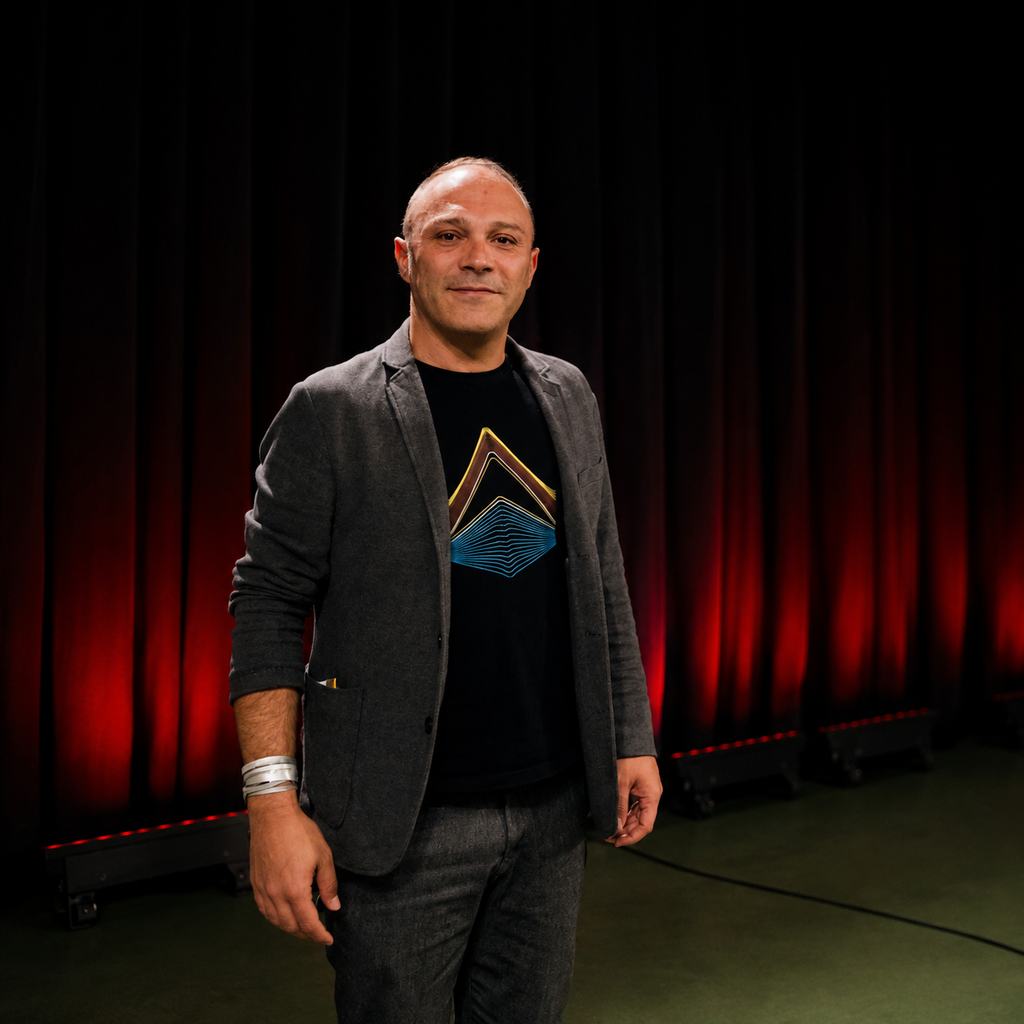
Davide Grosso, Moderator,
Director of Programmes & Partnerships,
IMC (International Music Council)
Five music rights activist with an academic background in ethnomusicology, he has carried out extensive field research in Indonesia about music and society and worked in journalism and media.
He joined the International Music Council in 2013 where he is in charge of project management and communication. Among other assignments, he coordinates the International Rostrum of Composers and curates the edition of the Music World News.
Between 2020 and 2022 he chaired the NGO-UNESCO Liaison Committee, representing a network of more than 400 NGOs in official partnership with UNESCO.
Outside the office he composes electronic music and writes for various magazines and blogs.
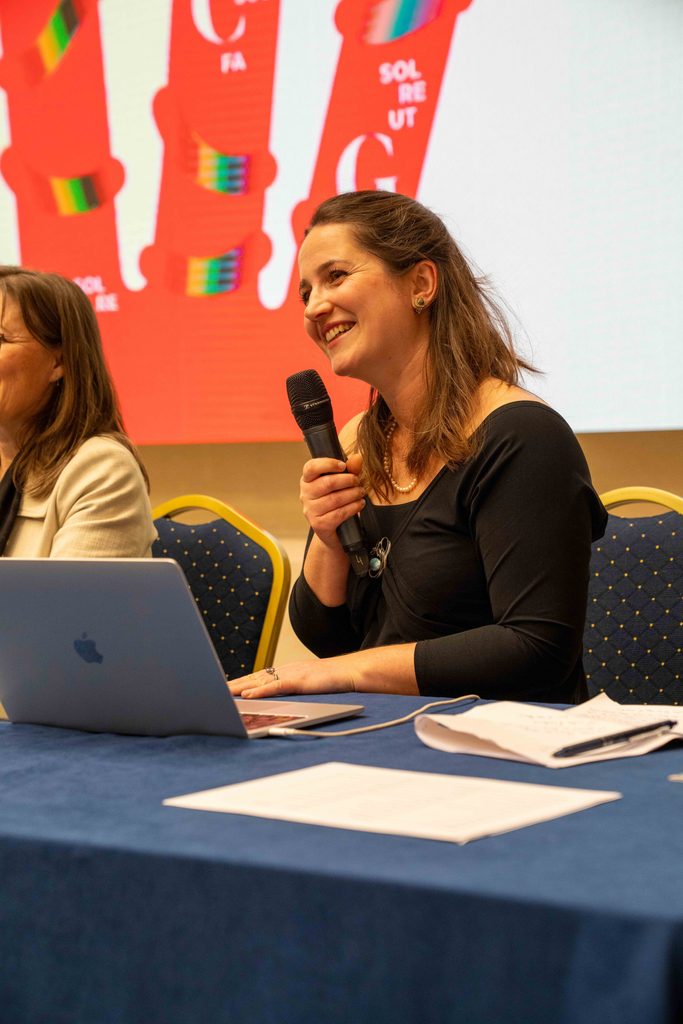
Agathe Créac’h, Co-General Delegate,
REMA (European Early Music Network)
At REMA, Agathe manages several projects supporting cooperation between professionals, capacity-building, and the sustainability of practices across the sector.
Trained at the École du Louvre in Art History and Mediation, she brings an understanding of the perspectives of preservation institutions, performers, and audiences, and is particularly interested in strengthening connections between them.
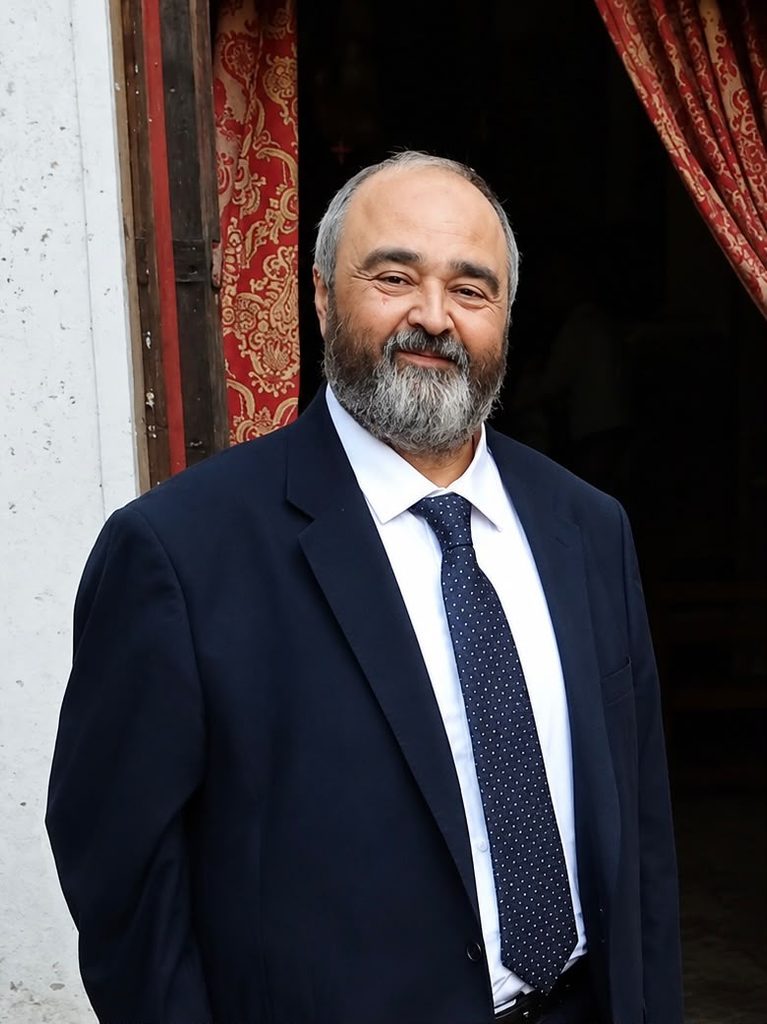
Adriano Rigoli
President,
Associazione Nazionale Case della Memoria
Adriano, born in 1970, a medieval historian, is president of the National Association of Houses of Memory (Associazione Nazionale Case della Memoria), the network of museums dedicated to illustrious figures in Italy.
The network of Houses of Memory includes 129 house museums dedicated to writers, artists, musicians, scientists, collectors, and many others.
https://www.casedellamemoria.it/en/
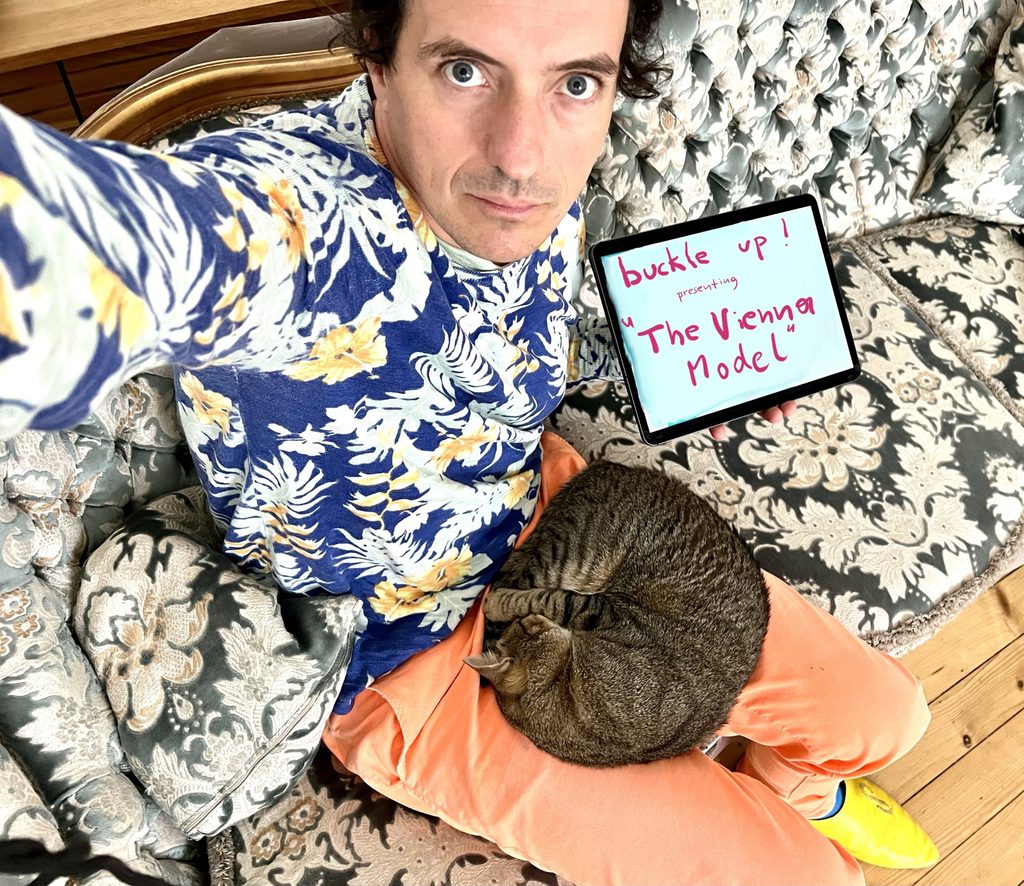
Leonhard Bartussek
Composer, Cellist & Inventor of Liquid Music
Leonhard Bartussek is an Austrian composer and cellist with a background in classical and early music. He studied in Graz, Cologne and at the Juilliard School, performed internationally with leading ensembles including Concerto Köln, Wiener Akademie and Il Pomo d’Oro, and appeared at venues such as Carnegie Hall, Concertgebouw Amsterdam and the Philharmonie Berlin.
Today, he focuses on his own interdisciplinary work at the intersection of music, visual art and performance. He develops immersive formats and sound installations based on his concept of Liquid Music — a fluid musical language rooted in Baroque traditions while combining elements from different eras and cultures. His projects have been presented at Styriarte Graz, Lincoln Center New York, BOZAR Brussels and the zamus festival in Cologne.
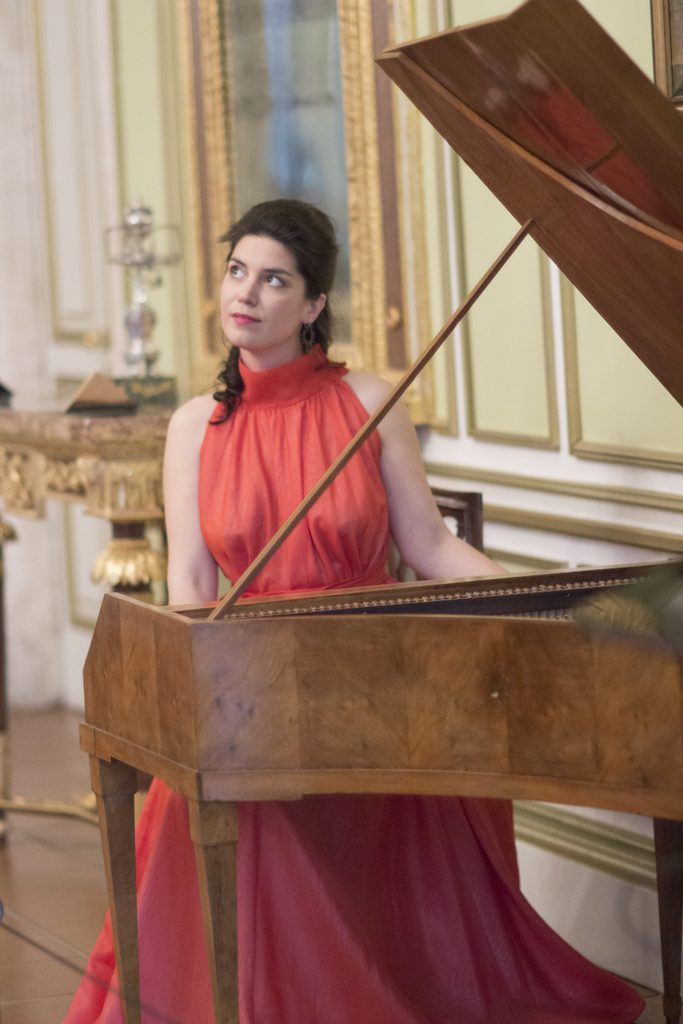
Ivana Jelača
Pianist / Fortepianist
The Rest is Music
Ivana Jelača, pianist and artistic researcher, works as a freelance artist and performs regularly in Croatia and abroad. As the creative leader of The Rest is Music, an NGO based in Dubrovnik (Croatia), she has been devising and implementing multimedia projects, educational cycles and workshops with an innovative approach to music as living cultural heritage. While putting herself in multiple roles of (music) curator, performer, and producer, her current doctoral research (Orpheus Instituut/ KU Leuven, Belgium) is focused on co-creation with the audience.
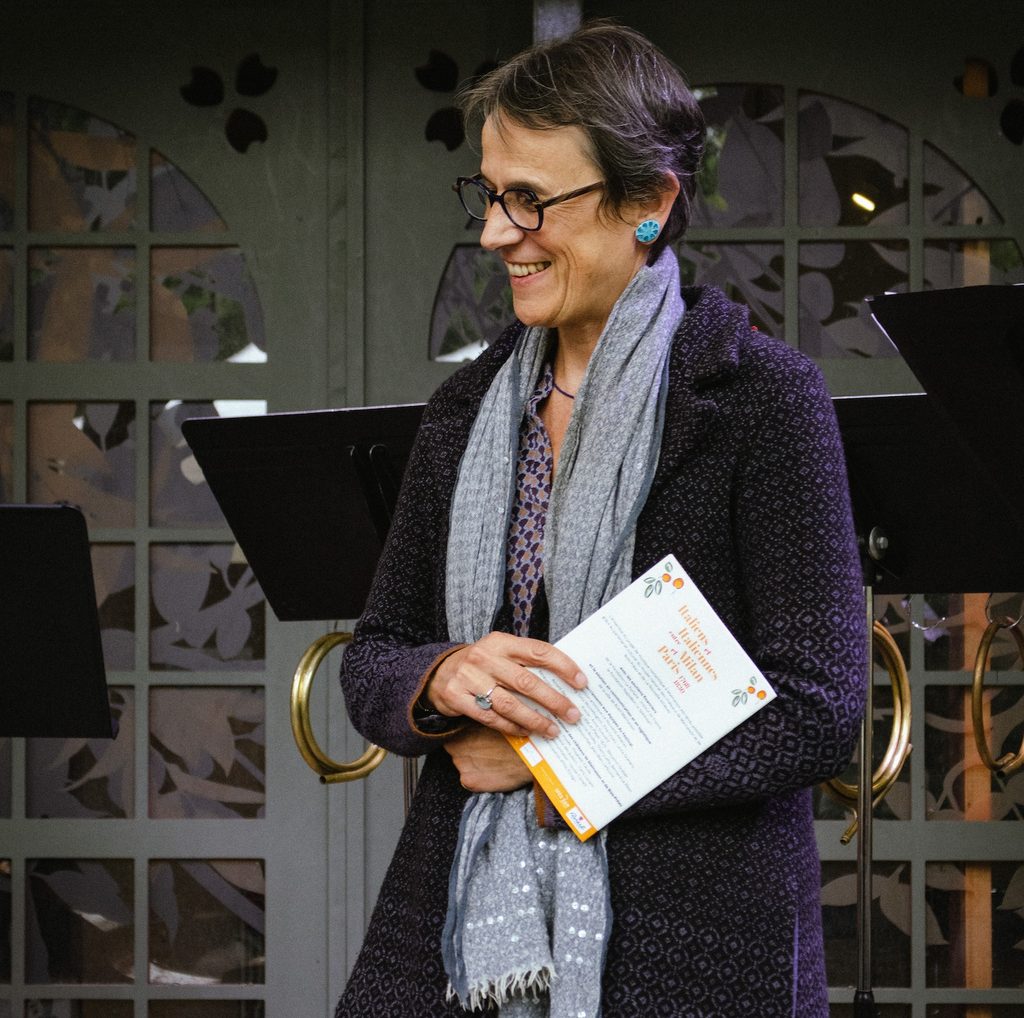
Sylvie Brély
Director and Founder
LA NOUVELLE ATHÈNES – CENTRE DES PIANOS ROMANTIQUES
Sylvie Brély is a flutist, cultural entrepreneur and specialist in historically informed performance. After a career spanning music, political science and international business, she founded the record label Zig-Zag Territoires, releasing around 250 recordings across early music, contemporary music, jazz and world music.
From 2011 to 2019, she coordinated artistic programmes at the Royaumont Foundation, supporting young ensembles and developing workshops with a particular focus on Romantic pianos. In 2019, she founded La Nouvelle Athènes – Centre for Romantic Pianos, dedicated to historically informed performance, training and the restoration of period instruments. The organisation has since restored important Érard and Streicher pianos, trained hundreds of young musicians, and developed concert series, festivals, recordings and collaborations with major heritage institutions near Paris.
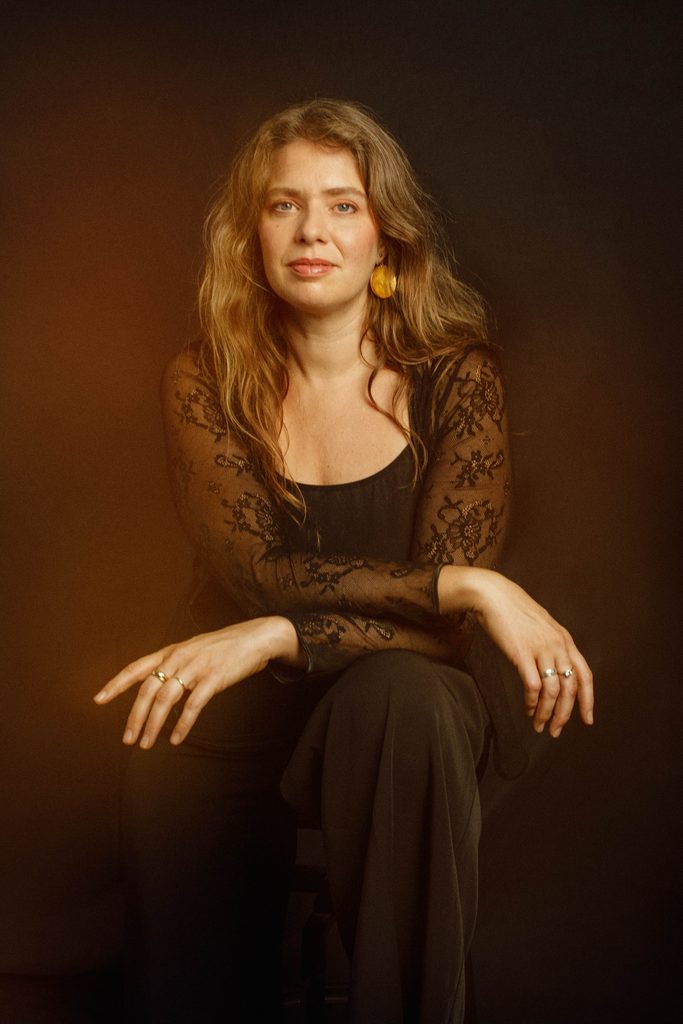
Lucie de Saint Vincent
Composer, Performer, Artistic director
NovArtFea and Collectif Trytone
Lucie de Saint Vincent is a fortepianist and composer whose work bridges early music, classical music, jazz and contemporary creation. Her artistic practice places the fortepiano at the heart of her research, exploring its historical repertoire while expanding its possibilities through improvisation, composition and cross-cultural collaborations.
As founder and artistic director of the Collectif Trytone, she develops projects that challenge the boundaries between musical traditions and genres, such as Back to Bach, (CD Paraty, 2021).
Her last solo fortepiano album, Des dentelles à l’échafaud (CD Presence compositrices, 2024), recorded on fortepianos from the collections of the Geelvinck Museum and the Musée de la Musique in Paris, was dedicated to Hélène de Montgeroult and Marie Bigot and received a Diapason d’or. At the core of Lucie’s artistic journey is a commitment to reclaiming and expanding the place of women in music by situating women composers both past and present at the forefront of her performances, compositions and creations.
In 2024, she founded the NovArtFea Foundation in the Netherlands to support creative projects centred around women. Her latest project, Passio, a contemporary oratorio that she both composed and produced, explores women’s Passion stories and gives voice to their experiences across time.This work was presented in April 2026 in Washington D.C and at the Korzo Theater in The Hague.
https://luciedesaintvincent.com/en/
Dr. Eleanor Smith-Guido
Associate Researcher Rem@ke Project, University of Gothenburg (also Professoressa a Contratto, Università di Pavia)
Eleanor Smith-Guido is a musicologist, organologist, and occasional soprano specialising in historical keyboard instruments, organs, and instrument-making history. She completed her PhD on the claviorgan at the University of Edinburgh in 2013.
She has nearly twenty years’ experience working with musical instrument museums, collections, and historical keyboard instruments, and is currently Associate Researcher at the University of Gothenburg on the ERC-funded Rem@ke project, where she works on organological research connected with keylever function as well as the wider Stein microecology.
Eleanor also teaches a course on the history and development of keyboard instruments for the University of Pavia.
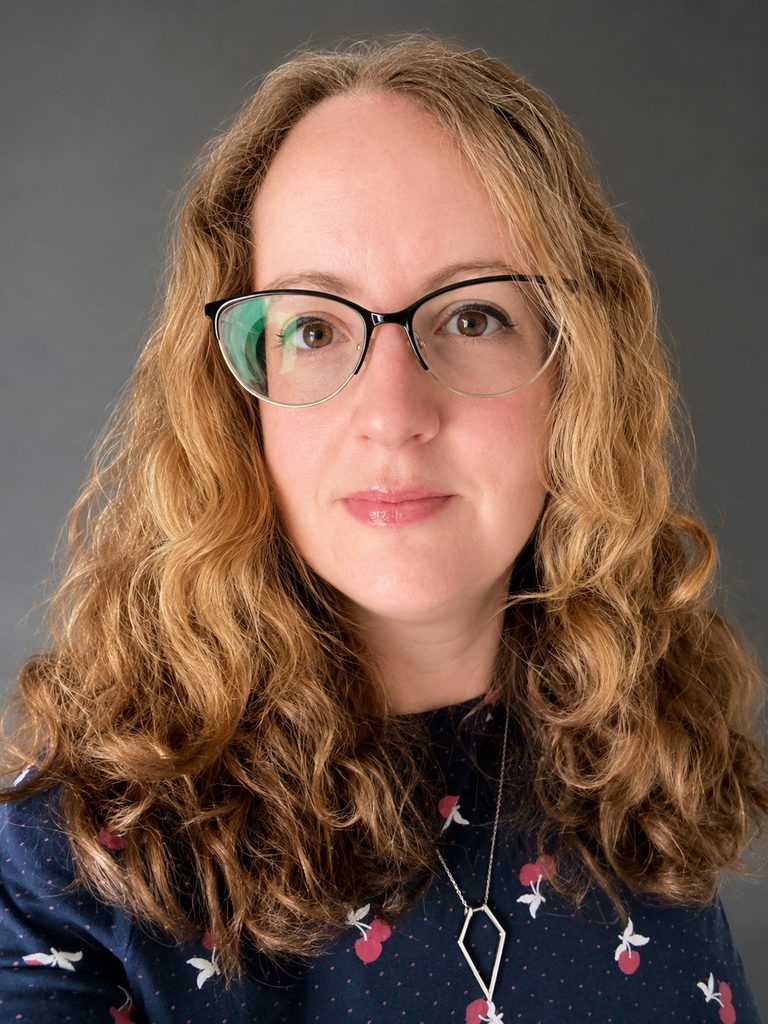
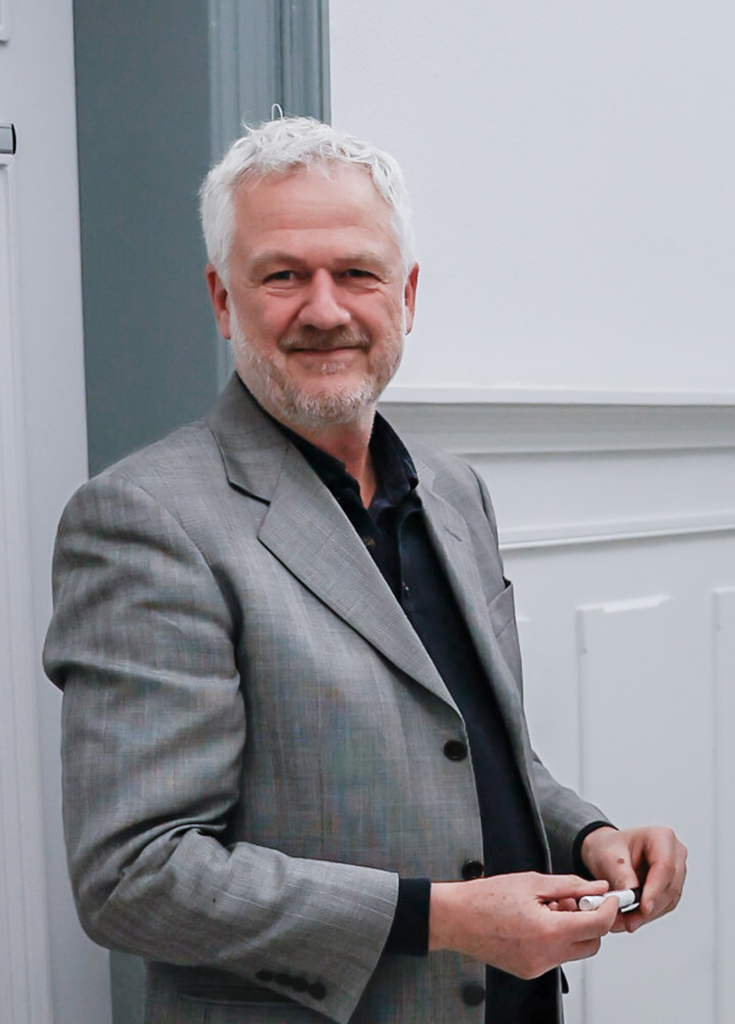
Theo Meereboer
Creative Director, Concept Developer
MuseumMaker
Theo Meereboer is director of Museummaker, a company for idea development, museum concepts and engagement strategy. With his background as an artist, writer, musician and exhibition maker he combines creativity and problem solving, analysis and great ability to cooperate harmonically in both narrative and visual ways, connecting to people with storytelling. The combination of over 15 years experience in museums after more than 5 years experience in media and marketing (concept development and editor in chief) makes him aware of He is founder of Heritage 2.0 (erfgoed 2.0), a knowledge network for heritage professionals, ErfgoedZaak (heritage business & entrepreneurship), Inheritage.eu (heritage interpretation for archeology and historic sites), Collectiewijzer (network for collection care, management and knowledge), and former member of the Innovation Council Public Libraries (Royal Dutch Library). He is a consultant, speaker and also guest lecturer / coach at Fontys University of Fine Arts and the Reinwardt Academy.
Dr. Jurn Buisman
Director of Museum Geelvinck, Initiator of Tune-In
Since the late 1980s, he has developed and led numerous projects in cultural heritage, historic houses, museums, exhibitions, and music heritage in the Netherlands and internationally.
He was the driving force behind Museum Geelvinck Hinlopen Huis in Amsterdam and later developed the Geelvinck Music Museum, the Geelvinck Fortepiano Festival, the Geelvinck Walking Concerts, and the Geelvinck Music Museums network. His work focuses particularly on preserving historic collections, musical instruments, cultural landscapes, and making heritage accessible to wider audiences.
Buisman has been closely involved with ICOMOS since the 1990s and was elected Secretary General of ICOMOS International in 2023. He is also active in Europa Nostra, Interpret Europe, REMA, ICOM Music, and several other international heritage networks.
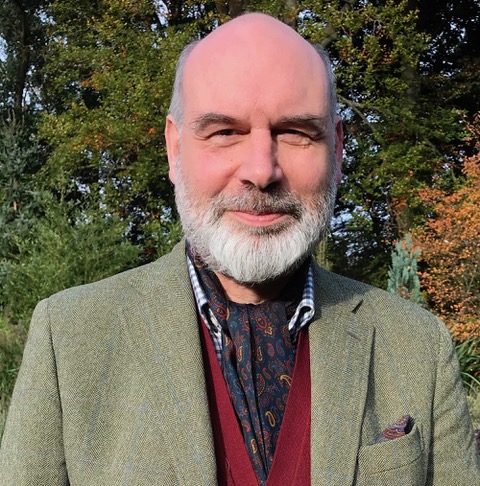
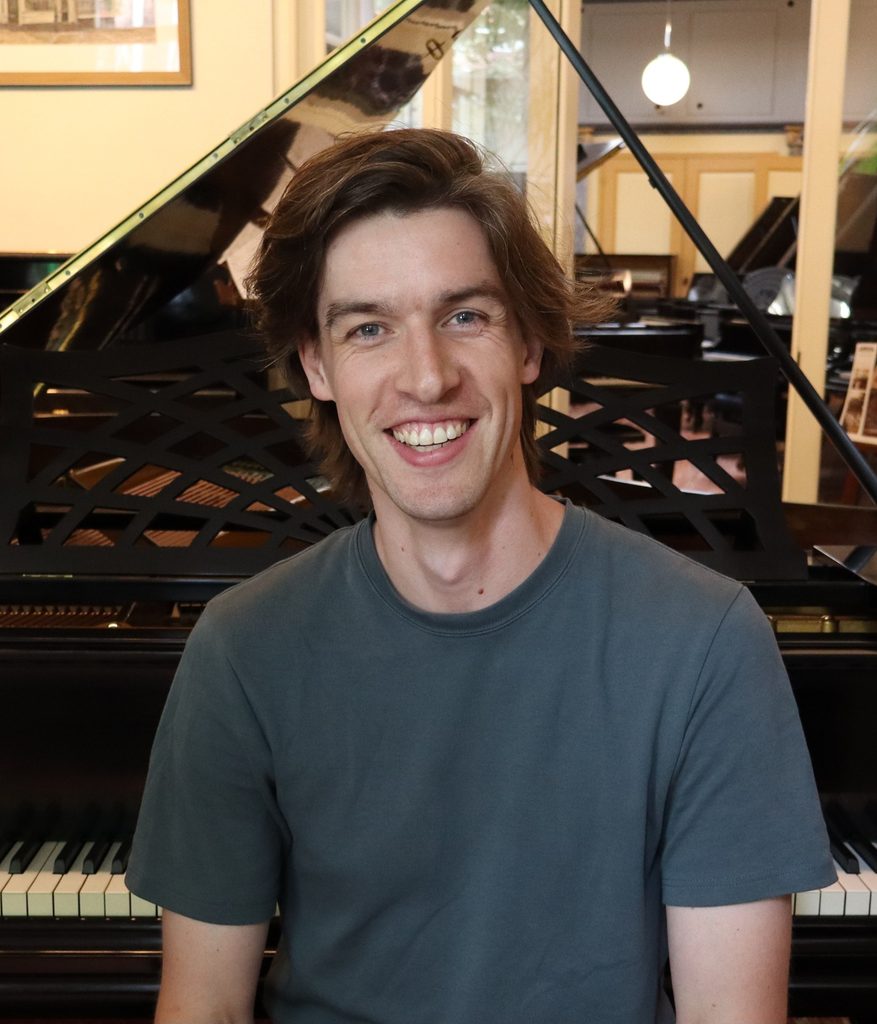
Bart Houtgraaf
Piano restorer, Andriessen Piano’s
Since 2009, Bart(1991) is working for Andriessen Piano’s-Vleugels in Haarlem (NL). At Andriessen Piano’s-Vleugels, Bart gained a lot of experience in repairing and restoring pianos and grand pianos. In recent years, Bart broadened his knowledge in forte pianos and square pianos from the period ca. 1780-1850.
During 3 years, in addition to his full time job at Andriessen, Bart learned the craftsmanship of restoration on his free Monday from Edwin Beunk, Johan Wennink and Carolien Dopheide at Enschede. The love and passion to keep these instruments in working order and pristine condition, and to offer the audience that special and authentic sound, inspired Bart to put his passion and love into action and brought this knowledge in the workshop of Andriessen.
Since January 2026 Bart and his wife Sanne are the owners of Andriessen Piano’s-Vleugels.
Launch Symposium
Utrecht, 3 and 4 September 2026
Official launch of the European Keyboard Heritage Network
Hosted in parallel with the Festival Oude Muziek Utrecht
Bringing together stakeholders from across Europe
Webinar Programme
2026 – 2027
Nine international webinars (2.5 to 3 hours each).
25 to 45 participants per session.
Structured around three stakeholder clusters
music and performance ecosystems
museums and collection management
heritage sites and musical sound heritage
Thinktank webinar format
expert input
moderated exchange
interactive discussion
synthesis into working documents
European co-creating process generating
a European assessment model for responsible collecting and deaccessioning
guidelines for re-placement and use of instruments in heritage sites
participatory formats for inclusive and multi-vocal heritage practices
Final Symposium
Utrecht, September 2027
Presentation and validation of results
Public and policy-oriented dissemination
Consolidation of the network as a permanent European structure
Publication of conclusions
November 2027
Findings
Best practices
Tool-boxes